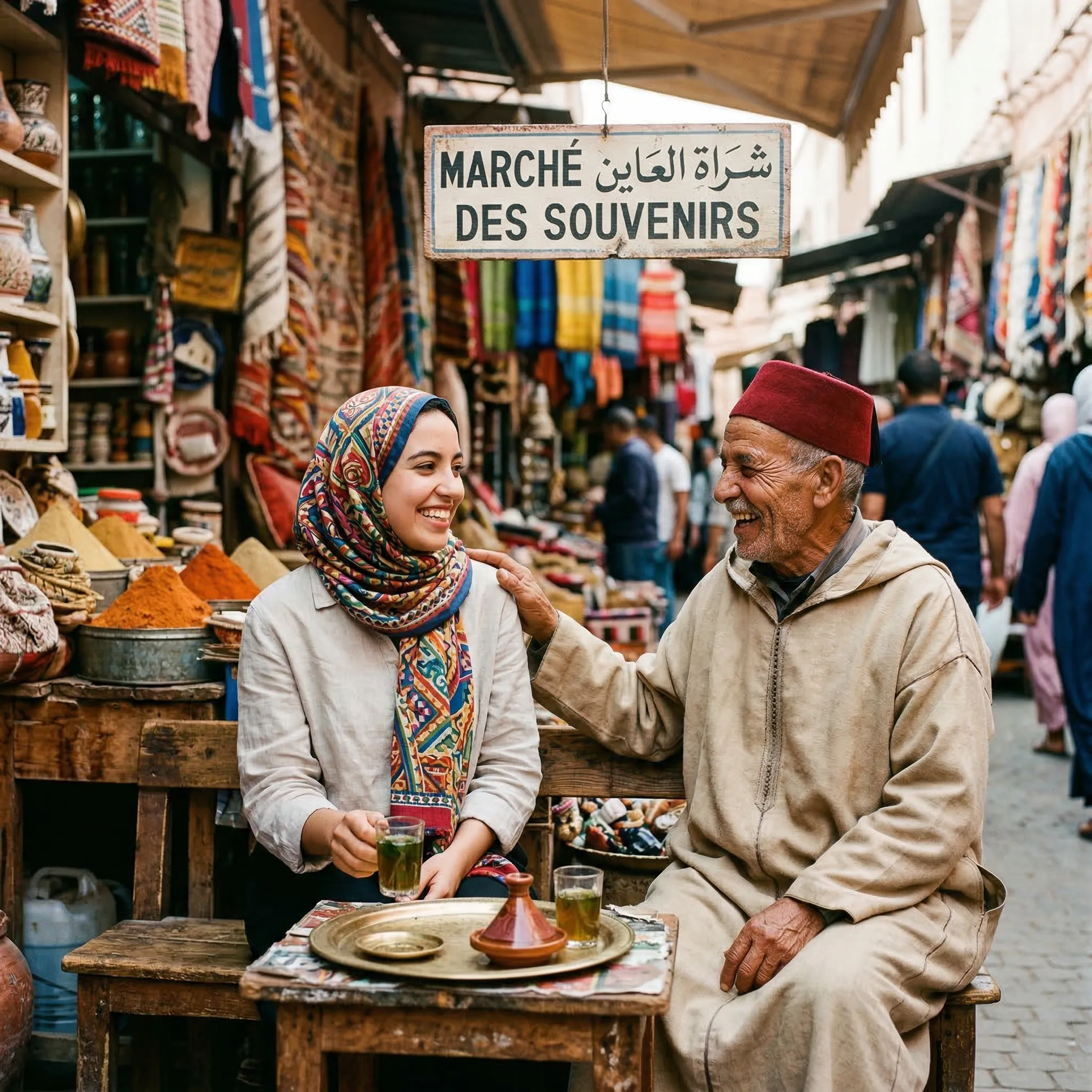
Ramadan transforms the rhythm of Morocco in ways that can be unexpectedly wonderful — and in a small, close-knit port like Essaouira the sense of community is especially vivid: late-evening medina lanes, harbour-front iftars and Gnaoua music after dark. The key is knowing what changes and planning around it.
In this guide
When Ramadan falls
Ramadan moves roughly eleven days earlier each year in the Gregorian calendar. Through the late 2020s it falls approximately as follows: 2027 in late January to late February; 2028 in mid-January to mid-February; 2029 in January. Because dates are set by moon sighting, always verify in the year you travel. The holy month lasts 29 or 30 days.
- 2027: approximately 28 January – 26 February
- 2028: approximately 17 January – 15 February
- 2029: approximately 6–25 January
What changes during Ramadan
Most restaurants in tourist areas stay open, but neighbourhood eateries, juice stalls and street-food carts often close during daylight hours. Café culture shifts dramatically — a mid-morning coffee in a medina café becomes harder to find. The pace of business slows in the late afternoon as energy wanes before iftar (the sunset breaking of the fast).
After sunset, the country transforms. In Essaouira, Place Moulay Hassan, the harbour front and the medina lanes fill with families breaking the fast; the smell of harira drifts from every doorway. The iftar meal — harira soup, chebakia pastries, dates, msemen — is one of Morocco's great culinary experiences, and many Essaouira riads offer guests a seat at the table.
What stays open and what to expect
Major tourist attractions — museums, the tanneries, the souks, riads and tour operators — run normally. Hotels and riads continue to serve food throughout the day, and tourist restaurants in medinas and ville nouvelles remain open. Transport is largely unaffected, though driving in cities in the hour before iftar can be frantic as everyone rushes home.
As a visitor, eat, drink and smoke discreetly in public during daylight out of respect for those fasting — it is appreciated even if not legally required of non-Muslims. Dress slightly more conservatively than usual, and expect a warmer, more festive atmosphere in the evenings than at any other time of year.
Is Ramadan a good time to visit?
For many travellers who have experienced it, Ramadan is a highlight. Crowds are thinner (fewer package tourists), prices at some riads dip, and the nightly iftar atmosphere is genuinely special. The trade-off is the limited daytime food options outside hotels and the slower pace of life. It suits those who are curious about culture over those on a packed sightseeing sprint.
Frequently asked
Can tourists eat and drink in public during Ramadan in Morocco?
Legally, non-Muslims are not required to fast. However, eating, drinking and smoking visibly in public during daylight is considered disrespectful. Tourist restaurants remain open; eat inside rather than on a terrace facing the street, and your riad will serve meals normally.
Are restaurants open during Ramadan in Morocco?
Tourist-facing restaurants in medinas and ville nouvelles generally stay open during the day. Local neighbourhood spots and street-food stalls often close until iftar. After sunset, food is abundant and the atmosphere is festive.
Will the souks and attractions be open during Ramadan?
Yes. Souks, museums, riads, tanneries and guided tours operate normally. The one practical difference is that the pace of souk activity may be slower in the late afternoon.
When is Ramadan in Morocco in the coming years?
Ramadan moves roughly eleven days earlier each Gregorian year. In 2027 it falls approximately late January to late February; in 2028, mid-January to mid-February. Confirm exact dates close to your travel date, as they depend on the moon sighting.
Is Ramadan a bad time to visit Morocco?
Not at all — it is simply different. The daytime pace is slower and some street food disappears, but the evening atmosphere is electric, iftar is a wonderful cultural experience, and the medinas are less crowded than at peak season.
Planning a trip?
Let an Essaouira atelier handle the details.
Tell us your dates and style and we'll send a written itinerary and a transparent quote within 24 hours.
Request an itineraryKeep reading
Planning
The Best Time to Visit Morocco
Spring (March–May) and autumn (September–November) are the best all-round times to visit Morocco — and if you base yourself on the Atlantic in Essaouira, the breezy coast stays comfortable even when the interior bakes. Here is how the seasons play out across the windswept port, the medinas, the High Atlas and the Sahara.
Culture
Morocco Etiquette & Customs
A little cultural awareness goes a long way in Morocco. Dress modestly in town, greet warmly, ask before photographing people, use your right hand, and embrace the unhurried pace — something Essaouira, with its café terraces and Gnaoua rhythm, does better than almost anywhere.
Culture
Moroccan Food & Drink
Moroccan cuisine is one of the world's great food cultures, and on the Essaouira coast it turns to the sea: just-landed sardines and sea bass grilled on the harbour, fish tagines bright with chermoula, the local argan oil and amlou, and the endless ritual of sweet mint tea.