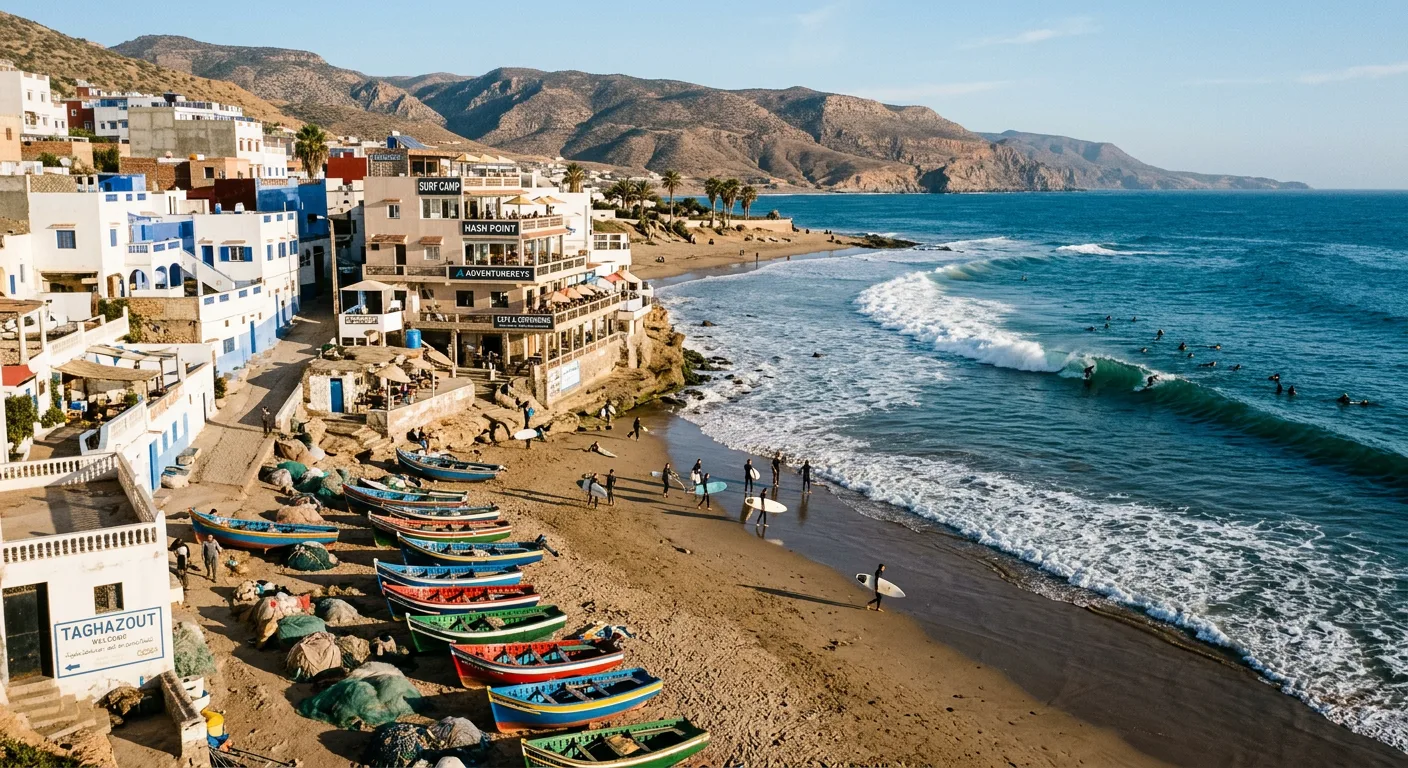
Yes, Essaouira is windy on most days — a steady onshore breeze blows for much of the year, which is exactly why it is nicknamed Morocco's "Wind City" and became a windsurf and kitesurf capital. But it is not literally windy every hour: mornings are usually calmer than afternoons, the breeze eases markedly in winter, and there are genuinely still days, especially between November and February. The trick is to plan around the pattern rather than expect either a constant gale or a flat calm. None of it should put you off — Essaouira is one of the loveliest towns on the coast, and the wind is part of what makes it so.
The short answer: windy, but predictable
Two simple rules tell you almost everything. By time of day, the wind is usually gentlest in the morning and builds through the afternoon. By season, it is strongest in midsummer (roughly June to August) and calmest in winter (roughly November to February). So the single calmest moment you can reliably plan for is a winter morning; the windiest is a summer afternoon. If you want gentle air for the open beach, lean into the mornings or visit in the cooler months. If you have come to ride the wind, the summer afternoons are a gift.
Why is Essaouira so windy?
It is geography, not bad luck. Essaouira faces the open Atlantic where the alizé — the north-easterly trade winds — funnel down the Moroccan coast. That flow is accelerated by the temperature gap between the cool ocean and the hot interior: as the land heats through the day, it draws cool sea air inland, which is why the breeze tends to strengthen in the afternoon. The bay is also unusually exposed, the coastline flat and the offshore Purpuraire islands too low to shelter it. The result is a remarkably consistent, clean side-onshore wind — frustrating if you wanted a still beach day, perfect if you wanted to learn to kitesurf.
When is the wind calmest? A month-by-month sense
These are typical, approximate patterns for orientation, not guarantees — coastal weather shifts day to day, so always check a live forecast close to your travel dates.
| Period | Typical wind | Best for |
|---|---|---|
| Dec–Feb | Calmest; some still days | Gentle beach mornings, sightseeing, photography |
| Mar–May | Moderate, building | All-rounder; fine light, fewer crowds |
| Jun–Aug | Strongest, most reliable | Kitesurf & windsurf; cool escape from inland heat |
| Sep–Nov | Easing; warm, quieter | Warm calmer days, late-season wind sports |
Approximate norms only. Within any month, mornings are generally calmer than afternoons.
The daily rhythm: mornings are your friend
More useful than any monthly average is the daily cycle. On a typical Essaouira day the air is gentlest at dawn and through the morning, then the sea breeze fills in around midday and peaks in the afternoon before easing a little towards evening. If you want a calm walk on the open beach, an early swim, or sand that stays put under your towel, do it before late morning. Schedule the windier afternoons for the sheltered medina, the souks, lunch in the port or a long café stop, and you will hardly register the breeze. Locals plan their day exactly this way.
Where to escape the wind in Essaouira
The town is built to live with the wind, so shelter is never far away:
- The medina: the high walls and tight lanes block most of the breeze. The souks, riad courtyards and covered passages are calm even on a blowy afternoon.
- Harbour-side and rampart-sheltered cafés: tuck in behind a wall with a mint tea and the wind largely passes overhead.
- The southern end of the bay and Diabat side: parts of the long beach are a touch more sheltered than the fully exposed centre — ask locally on the day.
- Indoor culture: galleries, museums, thuya-wood and argan workshops make perfect windy-afternoon plans and are a genuine highlight in their own right.
For the full layout of the old town and where the sheltered corners are, see our guide to the Skala and ramparts.
The flip side: the wind is the whole point
It is worth remembering why people travel here on purpose for this breeze. Essaouira's bay is wide, shallow and consistently windy — one of the friendliest places in the world to learn windsurfing or kitesurfing, and a reliable summer playground for experts. If that is your trip, the strong afternoons are exactly what you want. Not sure which board to start with? Our guide to windsurfing versus kitesurfing in Essaouira breaks it down. If you would rather chase pure waves, the surf is gentler here and better down the coast — but Essaouira remains the wind capital.
How to plan a great trip around the wind
- Pack a windbreaker, every season. Even in July the afternoon breeze feels cool — this is the single thing first-timers wish they had brought.
- Front-load your beach time. Open-beach mornings, sheltered-medina afternoons. It is the local rhythm for a reason.
- Pick your season to your purpose. Winter or shoulder months for the calmest air; midsummer for the strongest wind sports and a cool escape from inland heat.
- Bring sunglasses and tie-back hair. Blown sand is the only real nuisance, and easily managed.
- Check a live forecast. Wind-sport forecast sites and any current weather app will show you the day's strength and direction — invaluable for timing a beach session or a lesson.
Want to match your dates to the wind and weather? Browse our month-by-month best-time guide, explore our private tours or just tell us when you can travel and we will tell you what to expect.
Frequently asked
Is Essaouira always windy?
Almost, but not literally always. Essaouira sits in the path of the alizé trade winds, so a steady onshore breeze blows on most days, especially in summer afternoons — that is why it is nicknamed Morocco's 'Wind City'. But the wind is not constant: mornings are usually calmer than afternoons, the breeze eases noticeably in winter, and there are genuinely still days, particularly between November and February. Plan around the pattern rather than expecting either a gale or a flat calm.
When is the wind calmest in Essaouira?
Two reliable rules: by time of day, early mornings (roughly before 11am) are the calmest, with the breeze building through the afternoon; by season, the winter months of November to February are the least windy, while June to August are the windiest. If you want the gentlest air for sightseeing or the beach, aim for a winter visit or simply make the most of the morning before the wind picks up.
Why is Essaouira so windy?
It is geography. Essaouira faces the open Atlantic where the alizé (north-easterly trade) winds funnel down the Moroccan coast, accelerated by the temperature difference between the cool ocean and the hot interior. The bay is also unusually exposed and the offshore islands and flat coastline do little to block it. The same wind that catches sunbathers off guard is exactly what makes the town a world-class windsurf and kitesurf spot.
Can you still enjoy Essaouira if you do not like wind?
Yes — most visitors do, you just plan around it. Spend windy afternoons inside the sheltered medina, the souks, galleries, riads and harbour-side cafés, all of which are largely protected by the ramparts and buildings. Save the open beach for calmer mornings or a winter trip. Pack a windproof layer and you will barely notice it; come expecting a flat Mediterranean beach day and you may be disappointed.
Is the wind a problem for the beach in Essaouira?
It depends what you want. For lying still and sunbathing, the afternoon breeze can blow sand and feel cool even in summer, so the town beach is better in the calmer morning. For anything active — walking, kite and windsurf, beach football, horse or camel rides — the wind is part of the appeal. For flatter, more sheltered swimming, head a little down the coast or pick a low-wind day.
Does the wind ever stop completely in Essaouira?
Occasionally, yes. Still, glassy days do happen, most often in autumn and winter and usually in the morning. They are the exception rather than the rule, and surfers sometimes complain there is not enough wind in deep winter. So while you should plan for breeze, do not assume every single day will be windy — check a live forecast close to your dates.
What is the windiest month in Essaouira?
Broadly, July and August are the windiest, with the strongest and most reliable afternoon alizé — prime conditions for kitesurfing and windsurfing. June and September are close behind. The calmest stretch is December to February. These are typical patterns, not guarantees, so always confirm with a current forecast.
Don't fear the breeze
Tell us your dates — we'll plan your days around the wind.
Every guest gets a bespoke pre-trip briefing with the wind and weather outlook for their specific dates, the calmest windows for the beach, and the best sheltered plans for breezy afternoons. Just ask.
Request an itinerary