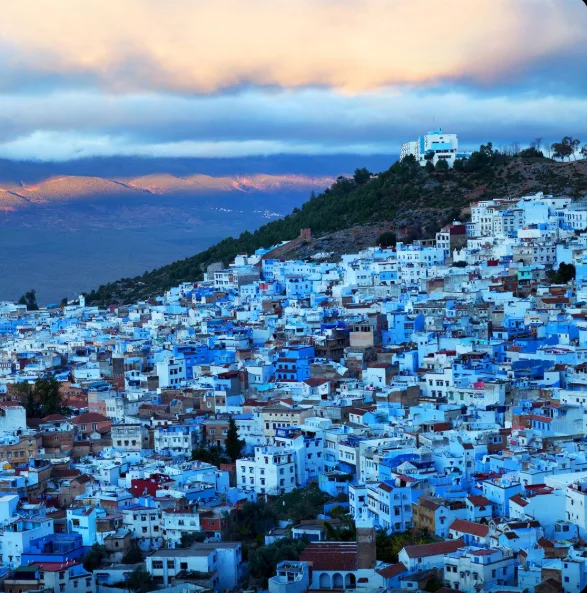
We get this question more than almost any other. The short answer: yes, Essaouira is one of the safest, most relaxed places to visit in Morocco, and has been a calm seaside favourite for decades. The longer answer — which is the one worth reading — depends on how you travel and what risks you're actually weighing up. Here is what we tell our guests honestly, without the marketing gloss.
What does the official travel advice actually say?
As of 2026, both the UK Foreign, Commonwealth & Development Office (FCDO) and the US State Department treat Morocco's main tourist areas — including Essaouira, Marrakech and the coast — as broadly safe, asking visitors to exercise normal caution, the same as for any busy city break. Essaouira sits comfortably within the well-trodden tourist circuit. The town has a visible Tourist Police presence around the medina, Place Moulay Hassan and the port, and Morocco depends on tourism and invests heavily in protecting it.
Is it safe for women travelling alone?
Honestly, Essaouira is one of the most comfortable towns in Morocco for solo female travel, and it is increasingly common. The flat, walkable medina is far less intense than Marrakech, and the seaside rhythm is gentle. That said, it asks for a different alertness than, say, Scandinavia. Some comments, shop invitations or attention from would-be guides exist, particularly in the busiest souk lanes. It is almost always words only; physical crime against solo female tourists is genuinely rare.
Practical measures that make a real difference: dress fairly modestly (a light layer over bare shoulders costs nothing); walk with intent and avoid looking lost; book a riad where staff know your name and your plans; engage only guides you have arranged through your accommodation rather than whoever approaches first; and save your host's WhatsApp number so you can message if anything feels off. With these basics in place, the overwhelming majority of solo women we've hosted have had wholly positive experiences.
What scams should you know about?
Essaouira's hassles are social and financial, not violent. The most common ones:
- The faux guide: someone offers to "show you the way" through the medina or to the port, then expects a fee — or steers you to shops that pay him a commission. A polite, firm refusal is enough; if you want a guide, hire a licensed one through your riad.
- Inflated opening prices in the souk: first prices on thuya woodwork, argan oil and silver are set high in expectation of bargaining. Smile, take your time, and don't feel pressured. Buy keepsakes you simply like, not as "investments".
- The unmetered petit taxi: agree a fare before you set off, or ask the driver to run the meter ('compteur'). Short hops within town are cheap.
- The "free" gift or henna: something pressed into your hand near Place Moulay Hassan is rarely free. A simple 'la, shukran' and keep walking.
None of these involve force. They work because travellers feel awkward refusing or want to be polite. A calm, firm 'no thank you' in any language is always sufficient.
How much of a problem is petty theft?
Petty theft is uncommon in Essaouira but, as in any tourist town, not impossible. The crowded souk lanes, the Sunday market and the busy stretch around Bab Doukkala are the places to keep a bag zipped and worn in front of you. Pickpocketing rather than confrontation is the risk. Use a cross-body bag, leave your passport and spare cash in your riad safe, and apply the same awareness you would in any city centre. Violent crime against visitors is genuinely rare, and the medina is calm and pleasant to walk well into the evening.
What health precautions are worth taking?
Routine vaccinations — tetanus, hepatitis A — are recommended before any visit to Morocco. Hepatitis B and typhoid are worth discussing with your GP for longer or more rural trips. Tap water in Essaouira is chlorinated and generally safe, but most visitors drink bottled or filtered water to be sure, and are a little careful with ice in very casual spots.
Food in Essaouira is, if anything, a highlight rather than a risk: the grilled fish straight off the port boats is about as fresh as food gets. Minor stomach upsets in the first few days usually come from unfamiliar spices and oil, not infection. Pack oral rehydration sachets, antihistamine and your personal medication. Travel insurance with medical cover is essential — the nearest large hospitals are in Marrakech, about two and a half to three hours away by road.
Our honest bottom line
Essaouira is a warm, easygoing town that rewards those who approach it with curiosity and basic street sense. The risks are real but proportionate — comparable to any large city destination, and considerably lower than many. We've operated trips here for years and the vast majority of our guests finish their stay wanting to return. If you'd like a trip designed to maximise comfort and minimise friction, we're here to help — from transfers and vetted riads to on-call support throughout.
For further reading, see our Essaouira travel guides and destination overviews.
Frequently asked
Is Essaouira safe for solo female travellers in 2026?
Yes, with normal awareness. Essaouira is one of the easiest towns in Morocco for solo women — the walled medina is flat, compact and far calmer than Marrakech or Fez, and many travellers come here alone without incident. You may get the occasional shop invitation or comment, but physical crime against tourists is rare. Dressing fairly modestly, walking with purpose and a firm 'la, shukran' (no, thank you) deflects most attention. Staying in a riad with a known host and saving their WhatsApp number removes most friction.
What are the most common issues targeting tourists in Essaouira?
They are minor and financial, not violent: a 'faux guide' who attaches himself in the medina or at the port and then expects a fee; slightly inflated opening prices in the souk; the odd petit-taxi driver who won't run the meter. None involve danger. The fix is simple — agree prices up front, ask taxis for the meter ('compteur') or settle a fare before you get in, and only follow a guide you have hired deliberately through your riad.
Is petty theft a problem in the Essaouira medina?
It is uncommon but not impossible, as in any busy tourist town. The crowded souk lanes, the Sunday market and the area around Bab Doukkala are where to keep a bag zipped and in front of you. Pickpocketing rather than confrontation is the risk. A cross-body bag, a hotel safe for your passport and the usual city-centre awareness are all you need. Violent crime against visitors is genuinely rare.
Can you drink the tap water in Essaouira?
Tap water in Essaouira is chlorinated and generally considered safe, but the unfamiliar mineral balance upsets some visitors, so most people drink bottled or filtered water — it is cheap and everywhere. Be a little careful with ice in very casual spots and rinse salads with bottled water if you have a sensitive stomach. Freshly grilled fish straight off the port boats is one of the safest, best things you can eat here.
Has the safety situation in Essaouira changed for 2026?
No. Essaouira remains one of the calmest, most welcoming towns in Morocco, with a relaxed seaside atmosphere and a visible Tourist Police presence around the medina and the port. Morocco is a stable, long-standing tourist destination, and the standard UK FCDO and US State Department advice asks visitors to exercise normal caution — the same as for any busy city break. The main attractions operate entirely normally.
Should I buy travel insurance for Morocco?
Yes — always. Look for a policy covering medical care and evacuation; the nearest large hospitals are in Marrakech, about two and a half to three hours away. Most mid-range policies costing US$40–80 for a two-week trip cover you adequately. Declare any pre-existing conditions, and make sure water sports like surfing, windsurfing and kitesurfing are included if you plan to ride Essaouira's famous wind.
Travelling with peace of mind
We've got your back from door to door.
Every Essaouira Tours trip includes 24/7 WhatsApp support, vetted licensed guides, pre-screened riads and pre-arranged transfers — so you can focus on the experience, not the logistics.
Request an itinerary